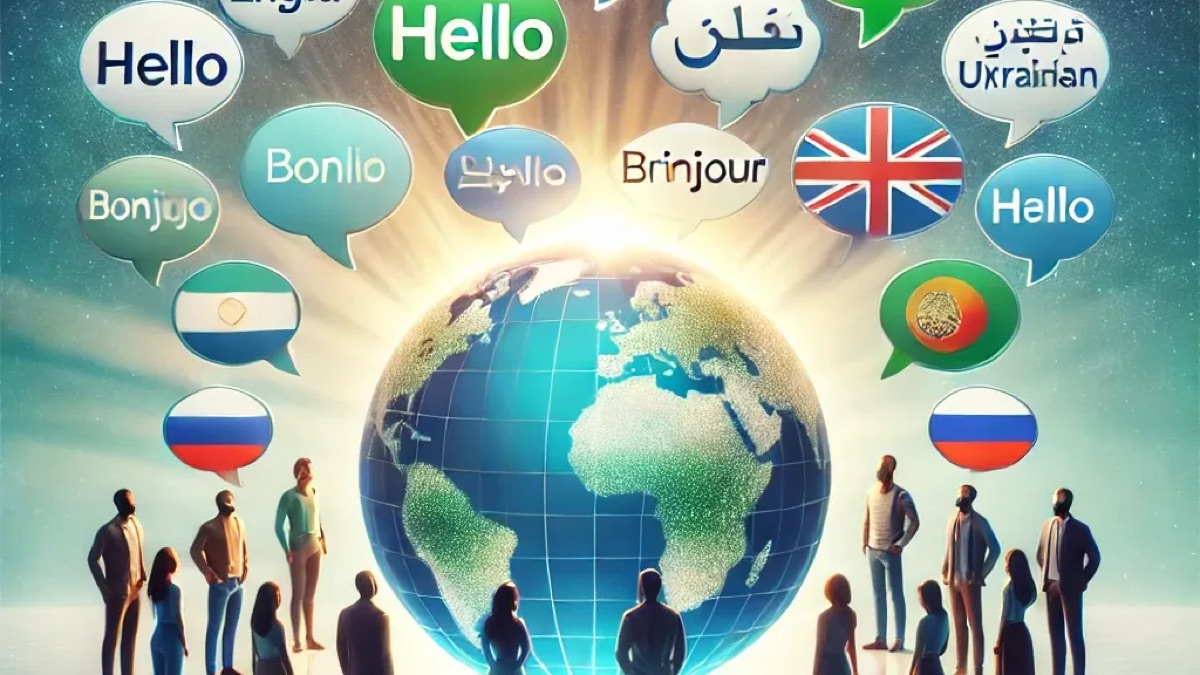
In a world that has become more connected than ever, digital tools have the power to break down barriers - but only if they are truly accessible. Accessibility isn’t just a feature; it’s a commitment to inclusivity, a promise to make resources available to everyone, regardless of their language, location, or unique needs. While equity ensures that everyone has an equal opportunity to benefit, accessibility lays the groundwork.
So, What Does It Mean to Be Accessible?
Accessibility in digital mental health, for example, isn’t just about ticking boxes - it’s about designing products that meet users where they are. It also involves addressing their unique cognitive, cultural, and situational needs, and adapting to how they engage with technology. This means considering diverse needs, such as:
- Providing content in multiple languages to reach non-native speakers.
- Offering customizable features like text-to-speech, speech-to-text/transcription, font adjustments, and other personalizations.
- Supporting users with disabilities by ensuring compatibility with assistive technologies.
True accessibility means creating tools that adapt to the user, rather than expecting the user to adapt to the tool.
Personalized and Accessible: Setting a New Standard
At Resilient Moment, we’ve set out to make mental health support truly personalized and accessible. With Joyment, we’ve achieved this by offering our app and all content in 34 languages through comprehensive app internationalization and localization, as well as transcription and spoken language features. These tools ensure users can engage with their mental health journey in the way that feels most natural and impactful to them.
Imagine hearing life-affirming messages in your own voice or spoken in your preferred language. This powerful personalization isn’t just comforting - it’s transformative, bridging gaps in accessibility and trust.
A Mission of Accessibility and Equity
Our mission is to increase accessibility and equity in digital mental health. For example, in underserved and immigrant communities, we have witnessed the profound barriers that language, stigma, and limited resources can create. Observations like these inspire and drive us to develop tools that broaden access while ensuring equity, offering everyone the chance to thrive on their own terms.
This December, as we celebrate diverse traditions worldwide, let’s also honor our shared commitment to mental health. Everyone deserves tools that help build resilience, reduce stress, and promote well-being—anytime, anywhere, and in any language.