When we think about universal human rights and mental health, we must take into account equity and inclusivity. In many cultures and societies, minorities often find themselves sidelined, their mental health issues overshadowed by larger community narratives. Whether racial, ethnic, or religious, these groups can face unique mental health challenges intertwined with their identities. Recognizing their struggles and ensuring their mental health rights are upheld is an imperative step towards true inclusivity. Furthermore, economic disparities directly impact access to mental health resources. For underprivileged communities, mental health care might be a luxury they cannot afford. But mental well-being isn't a luxury; it's a universal right. Ensuring these communities have equitable access to mental health services is essential to upholding this global theme.
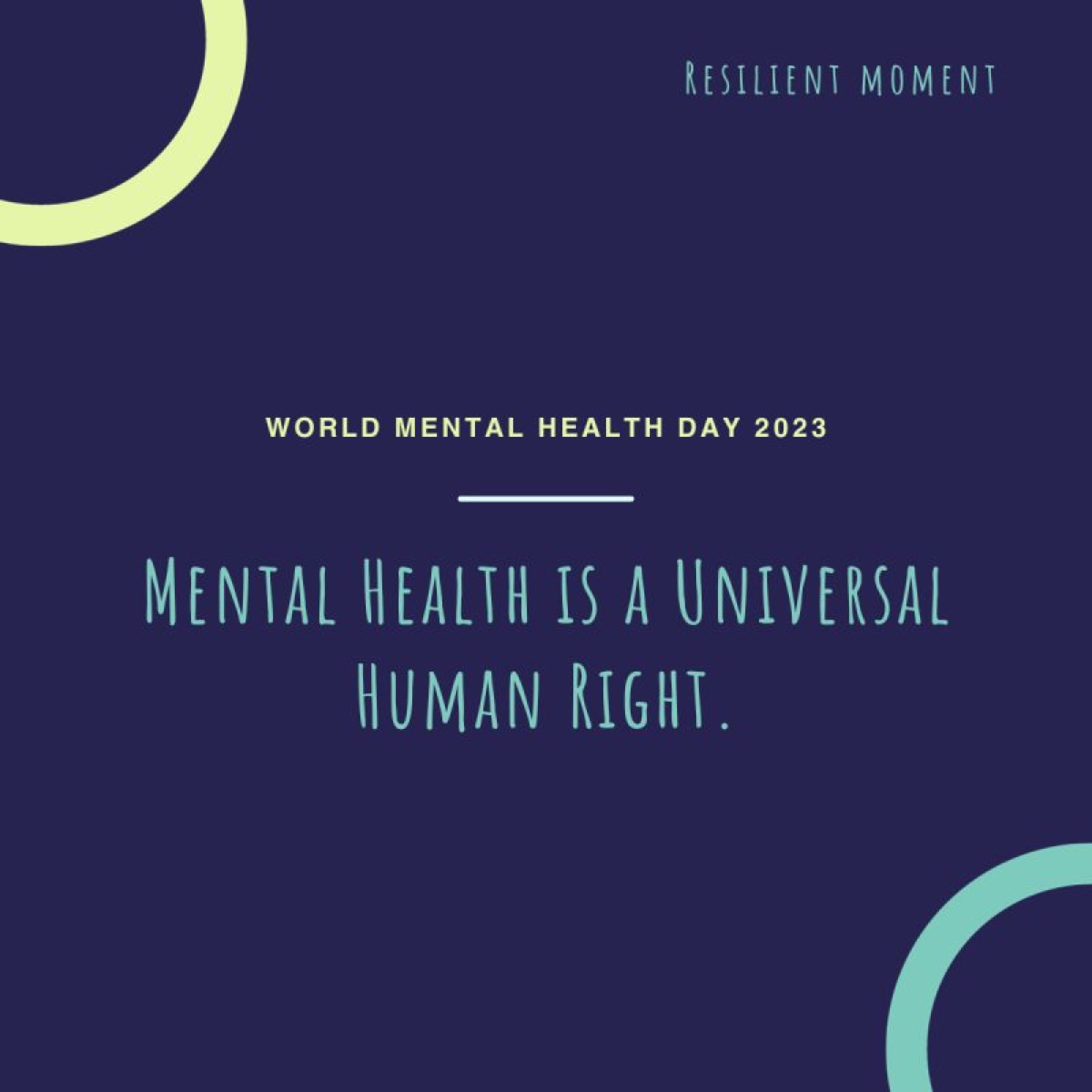
World Mental Health Day 2023 is here! This year’s theme from the World Federation for Mental Health is “mental health is a universal human right.”
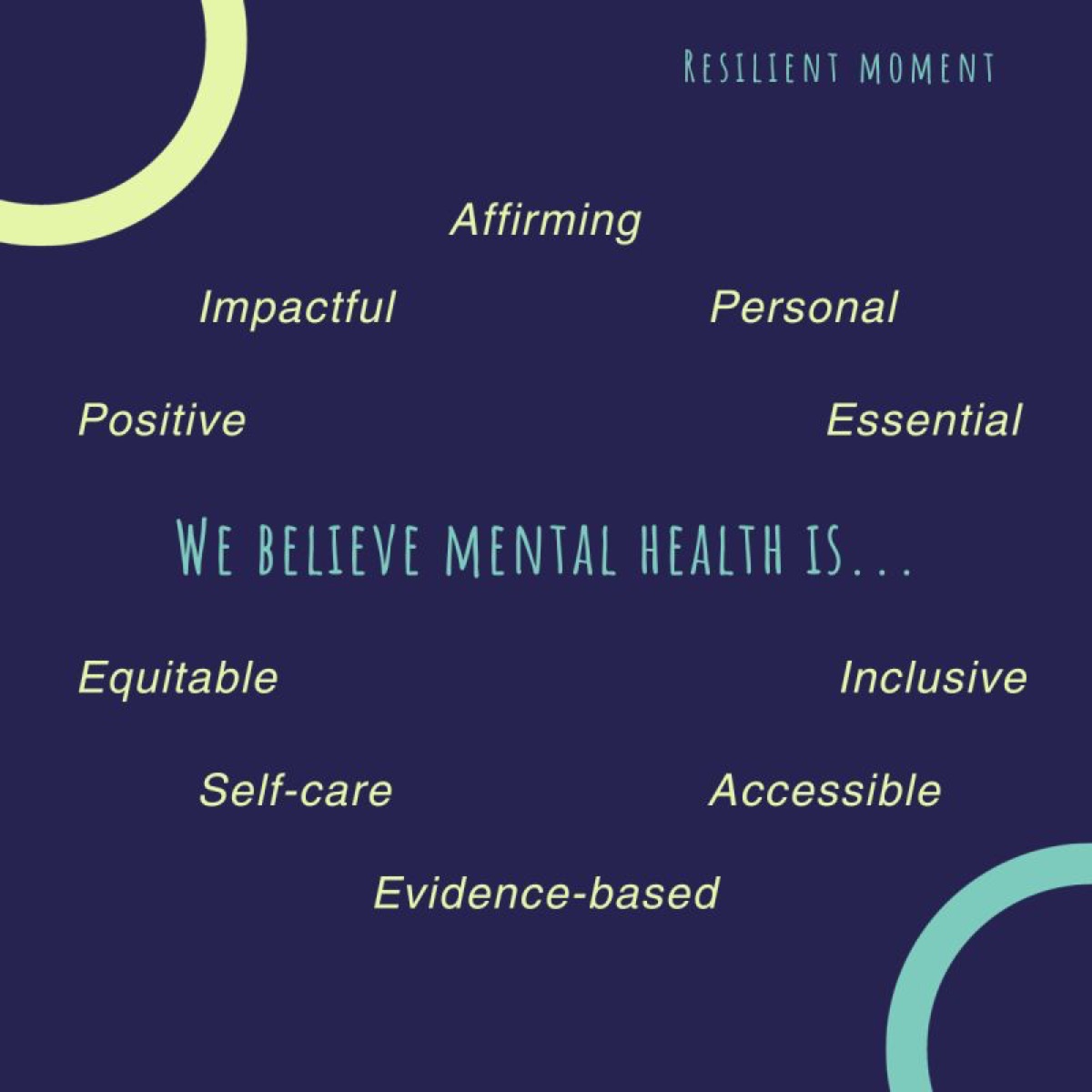
This statement coincides with our mission and values of increasing the accessibility and convenience of quality mental health care. We asked our team to share a word that comes to mind after reading this year’s World Mental Health Day theme in honor of raising awareness of this day. You can find the words their words displayed on our second image.
We got a deeper dive into the thoughts behind the word choice from a few of our leaders:
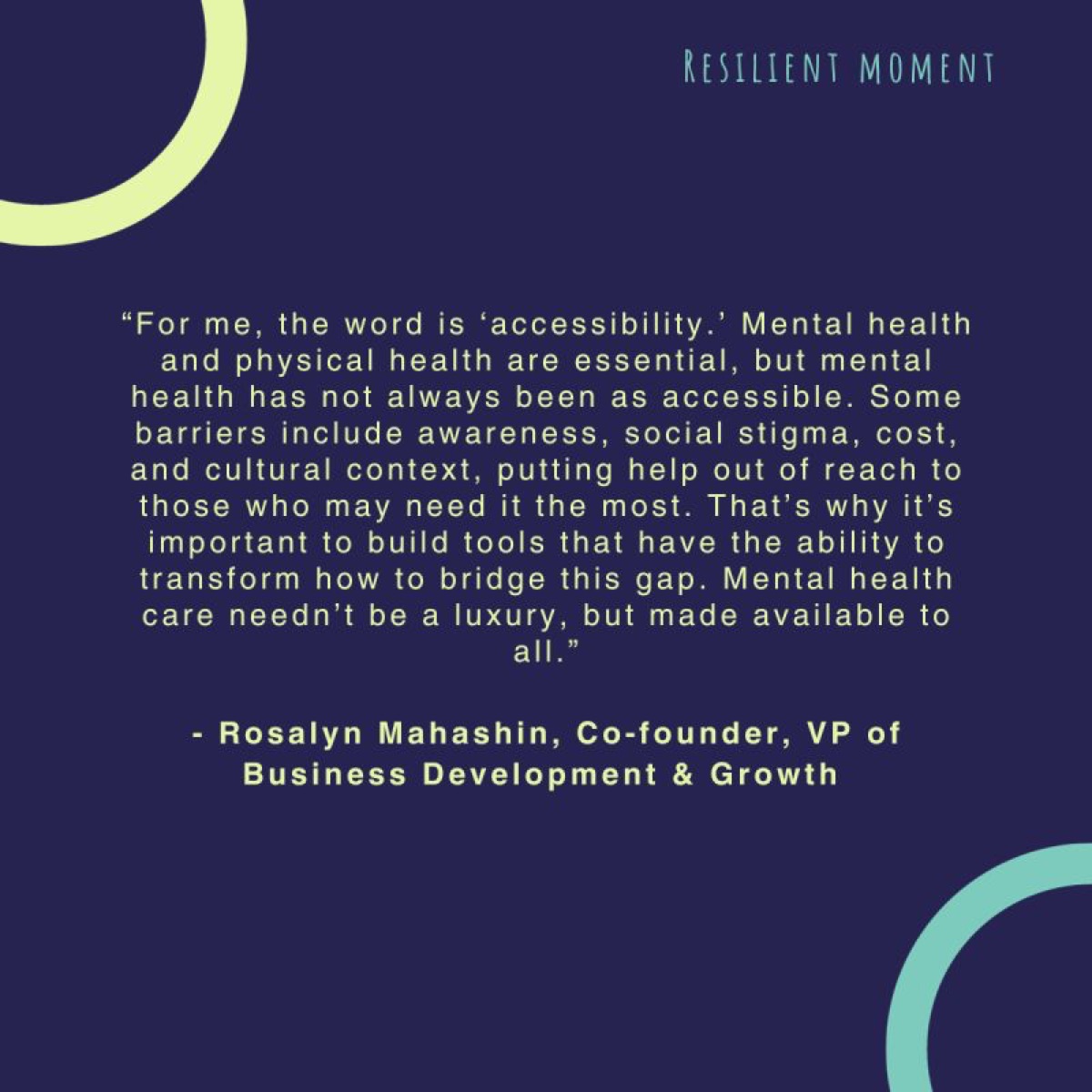
“For me, the word is ‘accessibility.’ Mental health and physical health are essential, but mental health has not always been as accessible. Some barriers include awareness, social stigma, cost, and cultural context, putting help out of reach to those who may need it the most. That’s why it’s important to build tools that have the ability to transform how to bridge this gap. Mental health care needn’t be a luxury, but made available to all.” - Rosalyn Mahashin, Co-founder, VP of Business Development & Growth
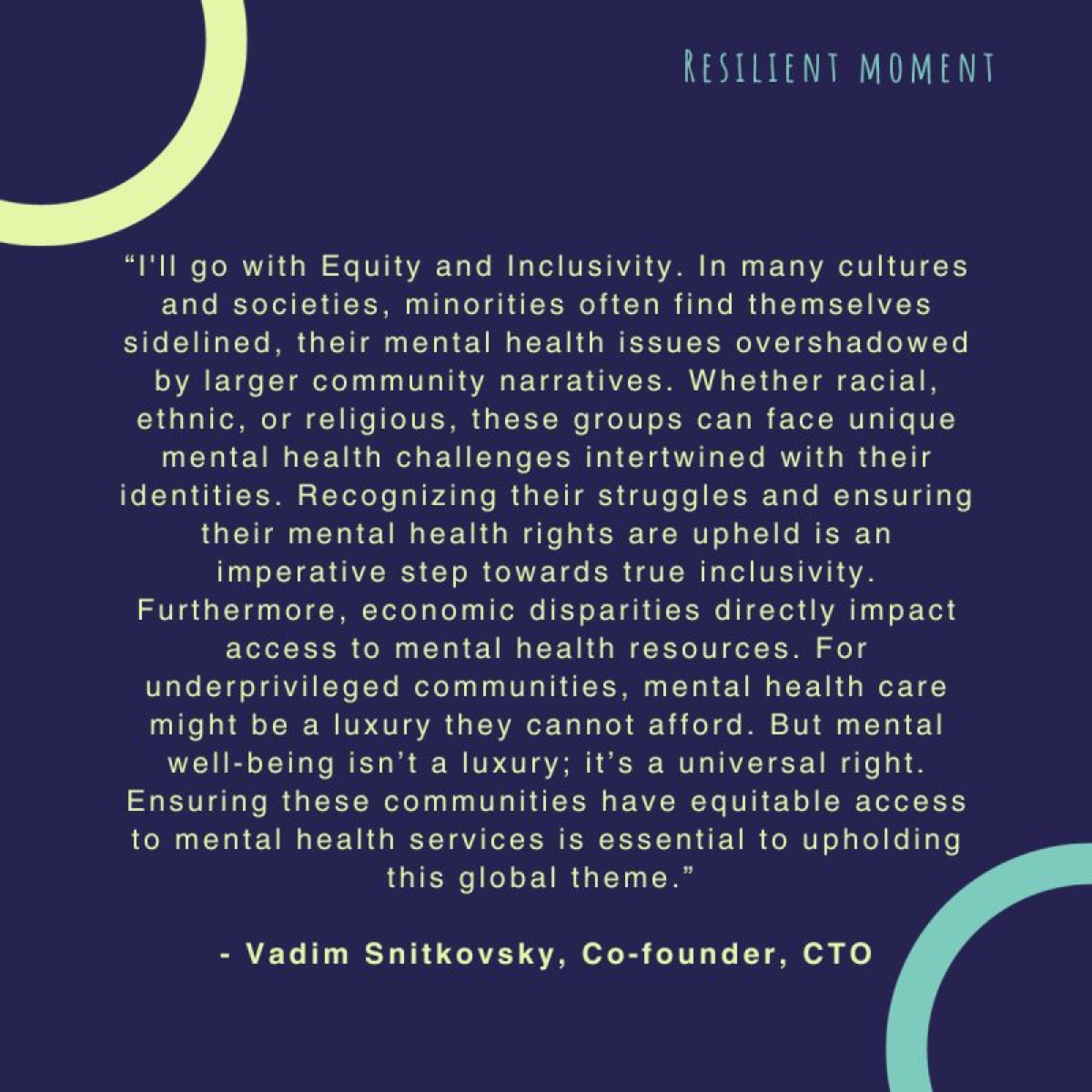
“I'll go with Equity and Inclusivity. In many cultures and societies, minorities often find themselves sidelined, their mental health issues overshadowed by larger community narratives. Whether racial, ethnic, or religious, these groups can face unique mental health challenges intertwined with their identities. Recognizing their struggles and ensuring their mental health rights are upheld is an imperative step towards true inclusivity. Furthermore, economic disparities directly impact access to mental health resources. For underprivileged communities, mental health care might be a luxury they cannot afford. But mental well-being isn’t a luxury; it’s a universal right. Ensuring these communities have equitable access to mental health services is essential to upholding this global theme.” - Vadim Snitkovsky, Co-founder, CTO
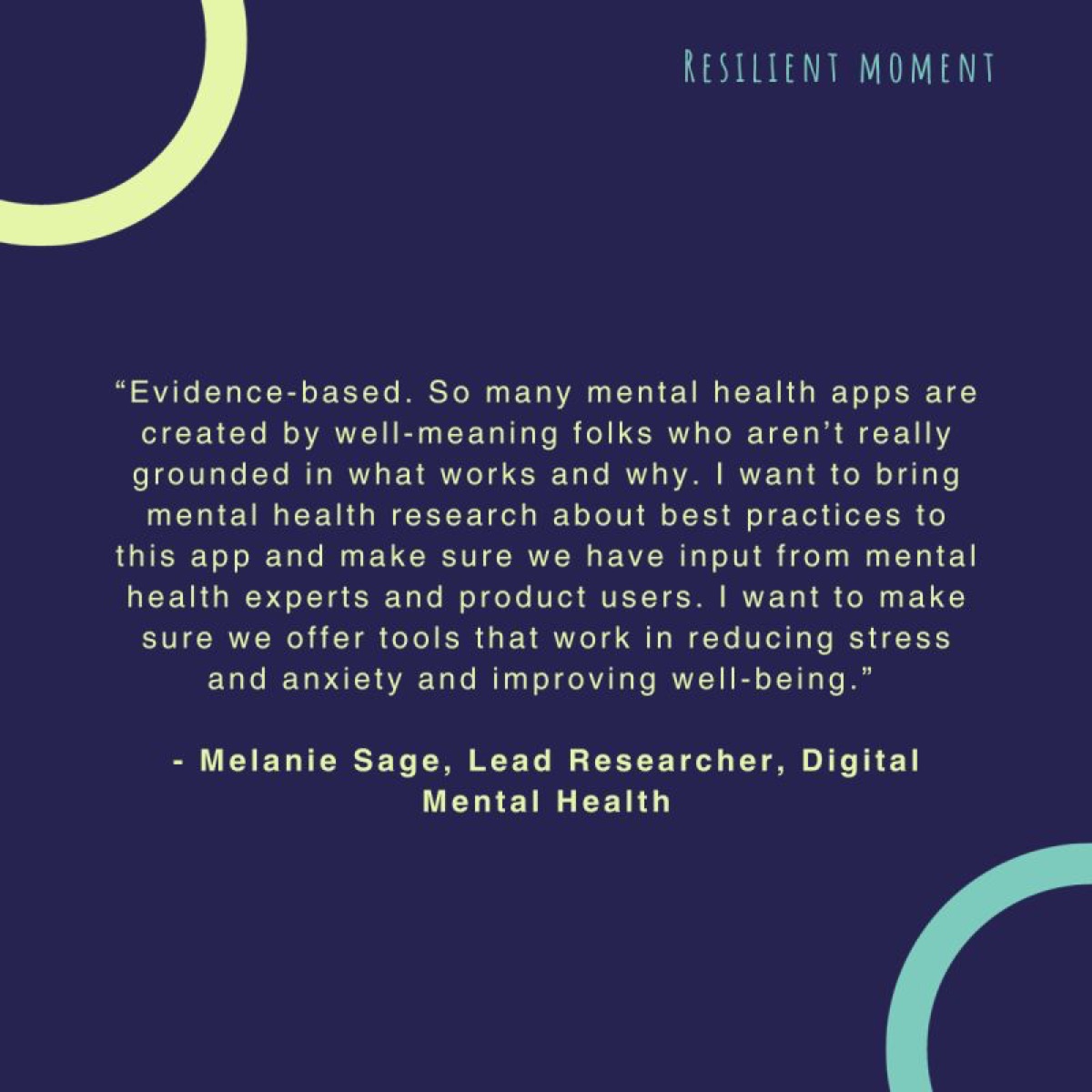
“Evidence-based. So many mental health apps are created by well-meaning folks who aren’t really grounded in what works and why. I want to bring mental health research about best practices to this app and make sure we have input from mental health experts and product users. I want to make sure we offer tools that work in reducing stress and anxiety and improving well-being.” - Melanie Sage, Lead Researcher, Digital Mental Health
Learn more about World Mental Health Day and the initiatives behind today: https://wmhdofficial.com/
Learn more about us and what we’re doing on our website: https://lnkd.in/gnvbNrbK